One last look before we draw it
Your pages aren't painted yet. Here's every place your story happens and what each page will show — when it looks right, press the button below to start drawing. It takes about 10 minutes, and we'll email you the moment your book is ready.
The places we'll draw
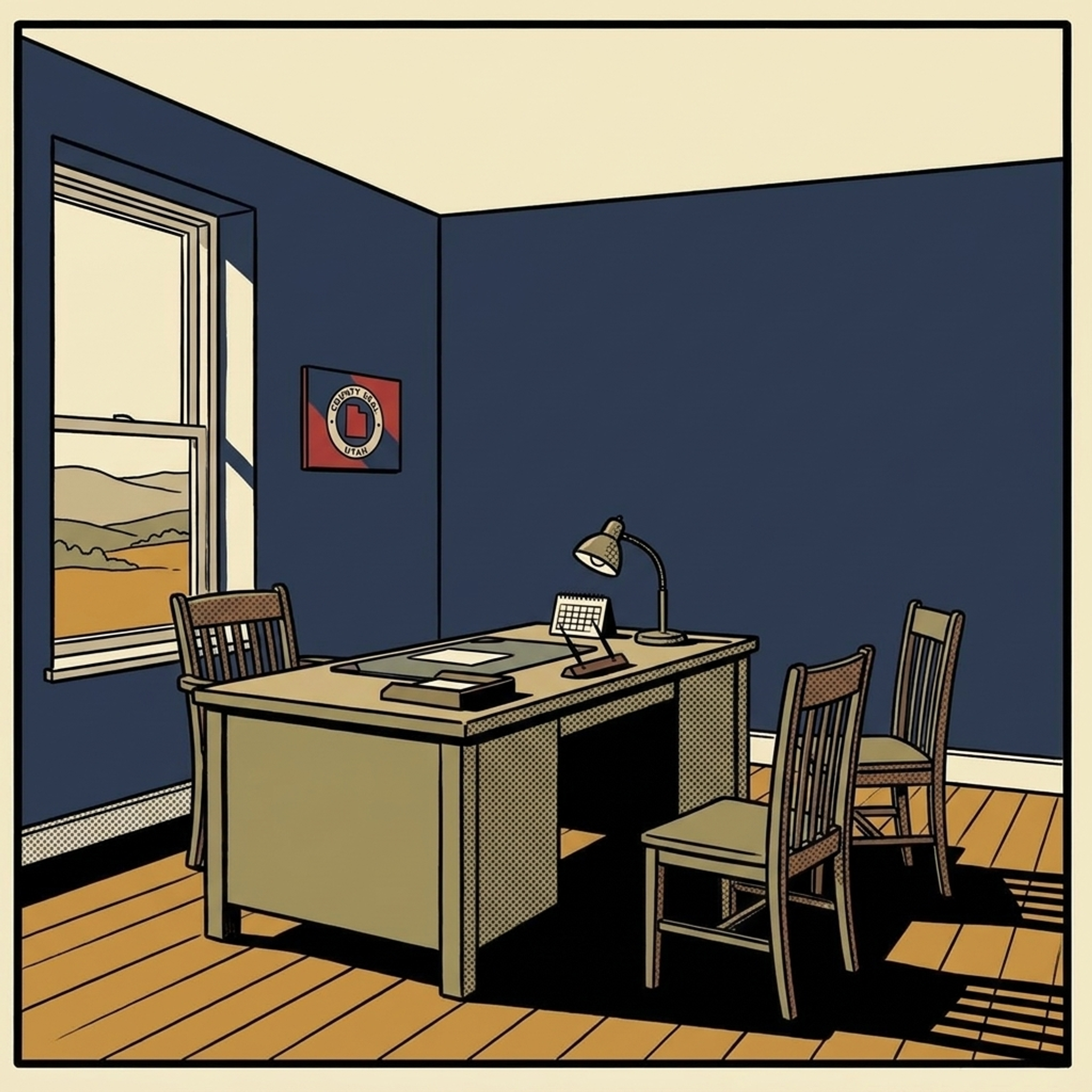
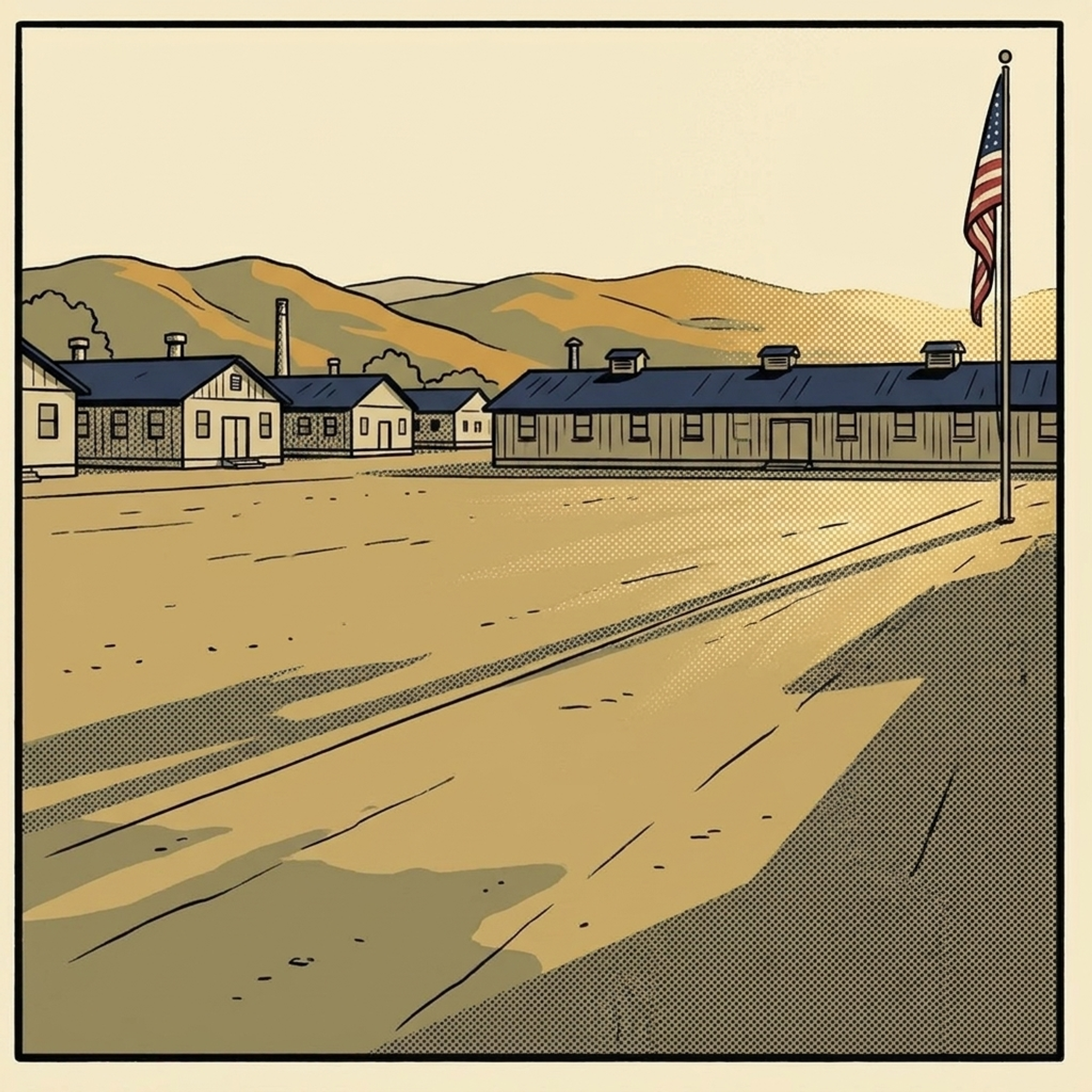
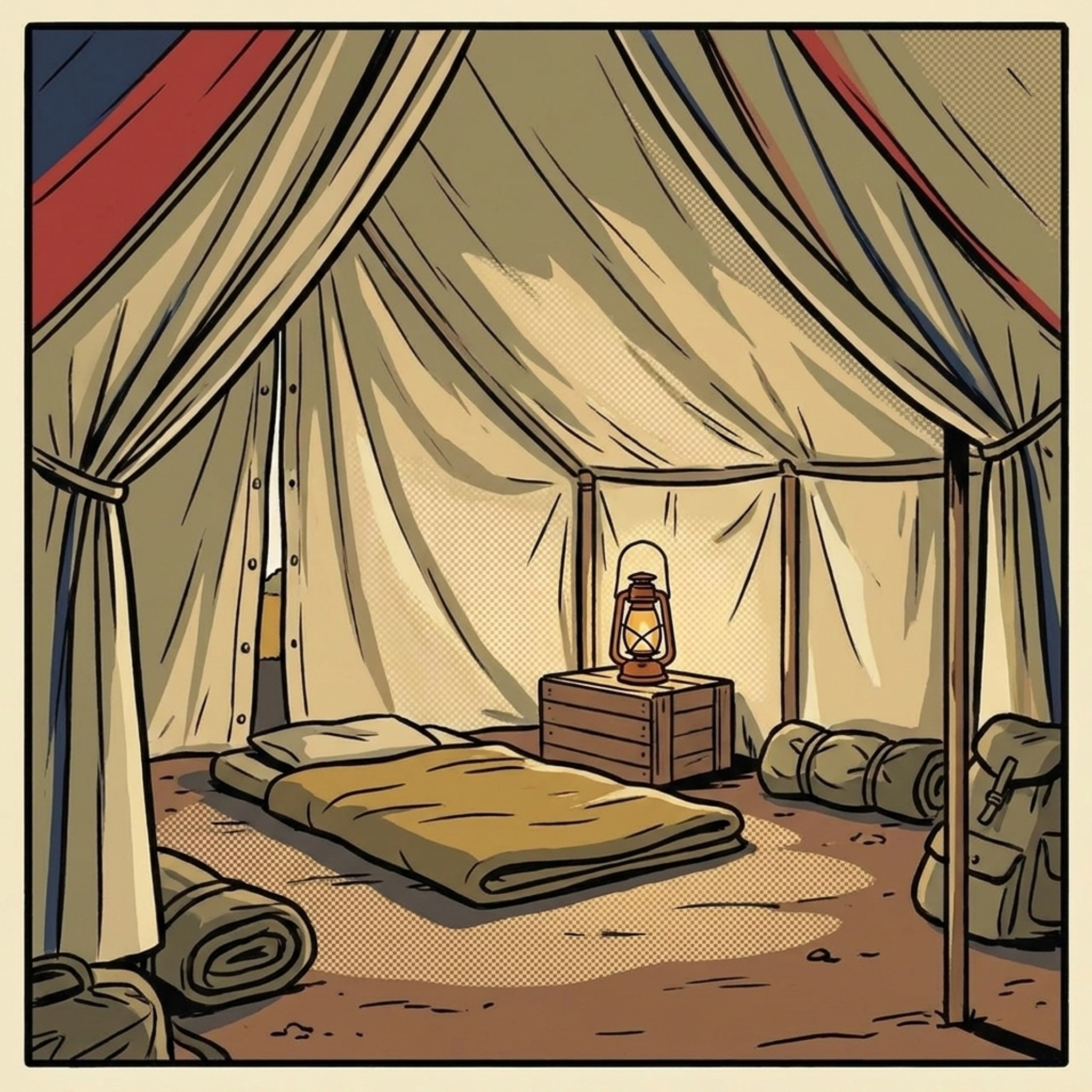
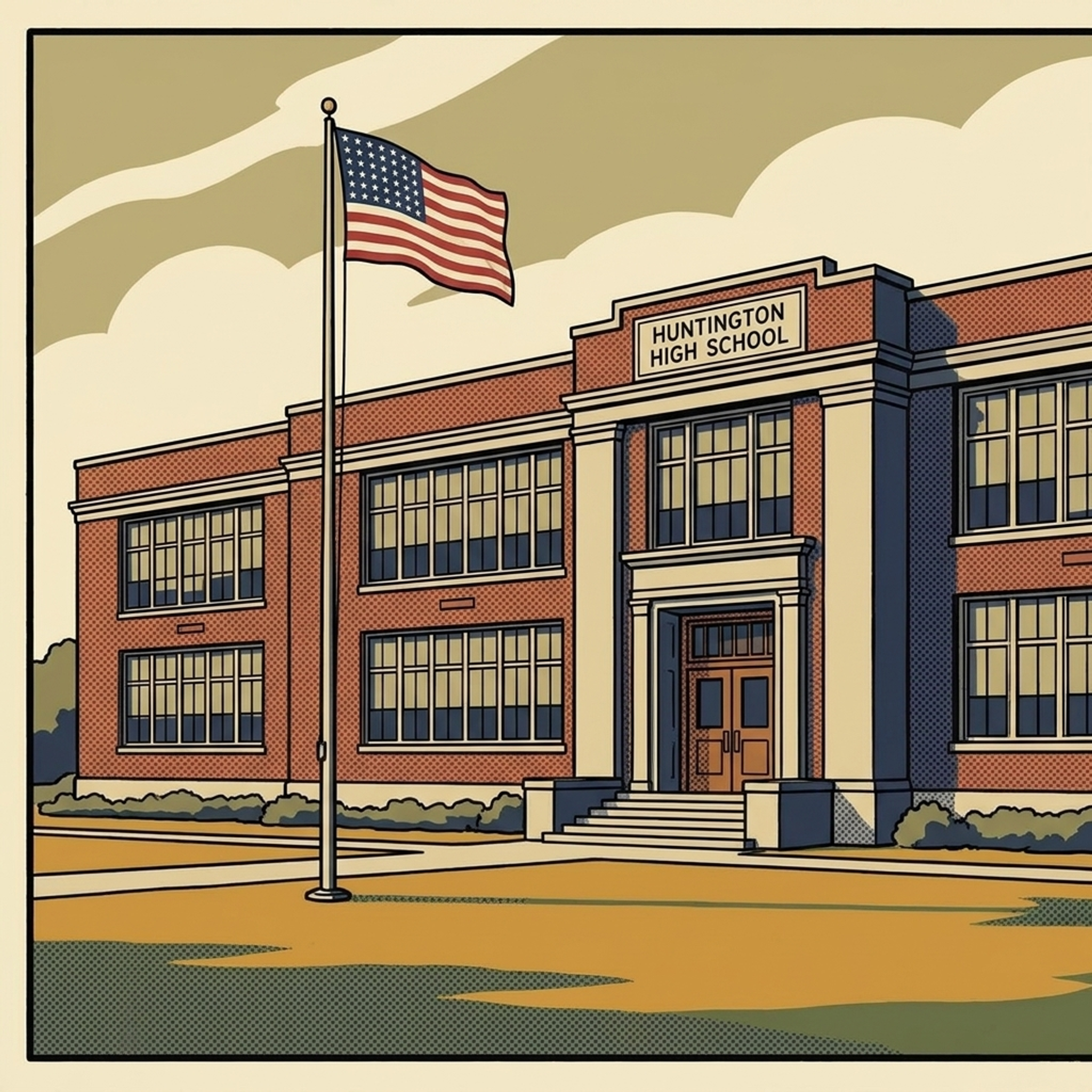
Have a real photo of one of these places — the actual house, a landmark? Click a place to add the photo and lock the AI to it.
What each page will show
01
Page 1 — the words
Wayne Wilberg was eighteen years old the morning he raised his right hand and became Private Wilberg. His whole life had been farms and blue clay hills and the wide Castle Country sky. Now a pen scratched his name onto a paper, and everything changed. "I left at 18 years old," Wayne would say later, and those four words held a whole world inside them.
The picture
A spare government office in Castle Dale, Utah. Wayne stands straight in his everyday clothes, right hand raised, facing a Marine officer across a wooden desk. Morning light comes through a tall window. Wayne's jaw is set. His eyes are steady but young. The room feels very quiet and very serious
02
Page 2 — the words
A few weeks later, back in Huntington, Wayne's mother stood in a row of proud families. When they called his name, she walked forward alone and took his diploma in both hands. Wayne was already gone — on a train heading west. She held the paper he had earned. He was riding toward something he hadn't earned yet.
The picture
Split feeling across one illustration: on the left side, Wayne's mother stands at the front of a high school gymnasium, holding a rolled diploma against her chest with both hands, hat tilted, eyes soft with pride and worry. On the right side, visible through a train window, Wayne stares out at the desert rushing past — red rock, sagebrush, open sky. Two worlds. One boy between them
"My mother attended my high school graduation and received my diploma."
03
Page 3 — the words
The train hissed to a stop in San Diego. Wayne stepped down into a blast of California sun. Rows of barracks. Rows of men. A sergeant's voice hit him like a wall. "Move! Move! Move!" the sergeant bellowed, and every new recruit's feet obeyed before their brains could catch up.
The picture
The MCRD San Diego base entrance, 1944. Wayne stands on the platform with a duffel bag, squinting into blazing sun. Around him, dozens of young men in civilian clothes look equally stunned. In the foreground, a barrel-chested sergeant in a campaign cover hat points toward the barracks. Long shadows. Hard light. Everything feels bigger than Wayne expected
"Boot Camp? San Diego, California I was there for 2 months."
04
Page 4 — the words
That first night, a Marine handed Wayne two blankets. Just two. No sleeping bag. No pillow from home. Wayne spread them on the ground, lay down, and stared up into the dark. The ground was hard. The blankets were thin. This, he understood, was exactly the point.
The picture
Inside a bare Marine tent at night. Wayne lies on the ground on his two folded blankets, fully clothed, arms at his sides, eyes open and staring at the canvas ceiling above. Nearby, other recruits settle the same way. A single lantern throws a low amber glow. Everything is spare — no cots, no comfort, just ground and blanket and the sound of men breathing in the dark
"We slept on the ground. We were given two blankets. Didn't get to have sleeping bags."
05
Page 5 — the words
Every morning: marching. Boots hitting the hard ground together — almost together. Left, left, left-right-left. An officer paced the edge of the line, baton in hand, watching every foot. Wayne kept his eyes forward. He kept his feet in time. He watched the officer the way a farmer watches weather — because what came next mattered.
The picture
The parade ground in bright morning sun. Long rows of helmeted recruits march in formation, olive-green dungarees pressed. Wayne is mid-row, back straight, eyes ahead. An officer in pressed uniform walks alongside, baton tapping his own palm with each step. His eyes are searching the line. The tension is in the footfalls — most are together. Most
"Sometimes if someone didn't march the right way, the officer would take his baton and hit the top of his or her helmets."
06
Page 6 — the words
CRACK. The boy beside Wayne missed a step. The officer's baton came down on the boy's helmet — a smack helmet. The sound rang out across the whole parade ground. Wayne did not flinch. He did not look. He kept his feet moving — left, left, left-right-left — and he never missed a step.
The picture
A frozen moment on the parade ground. The officer's baton has just struck a recruit's helmet — the boy's head is ducked, face scrunched. Every other recruit stares straight ahead, stiff and unblinking. Wayne is in sharp focus: eyes front, jaw firm, feet exactly right. Around them, the California sun is merciless. The sound hangs in the air like a bell
"the officer would take his baton and hit the top of his or her helmets. They called them smack helmets. It never happened to me."
07
Page 7 — the words
There were other rules at boot camp — rules with sharp edges. You said 'Yes Sir' to every officer, every time, without a pause. An officer stopped in front of a boy two places from Wayne and barked an order. The boy opened his mouth. Nothing came out fast enough. The officer pointed. Everyone in the line knew what was coming.
The picture
The officer stands directly in front of a wide-eyed recruit, one arm extended and pointing. The recruit's face is pale, mouth half-open. Wayne, a few steps away in line, watches from the corner of his eye — his expression careful, still, learning. Other recruits hold their breath. The moment stretches
08
Page 8 — the words
The boy was handed a needle and a length of thread. Head down, he walked the grounds, picking up cigarette butts one by one and stringing them on the thread. Every man who passed could see what the thread meant. Wayne watched. He made himself a promise: he would never need a needle and thread.
The picture
The humbling scene: a recruit walks alone across the parade ground, bent forward, reaching for a cigarette butt on the dirt. He holds a long thread with several butts already strung on it, dangling. Other Marines pass by without looking at him — which is worse than staring. Wayne stands at a distance, watching quietly, hands at his sides, face serious and still
"Those that didn't say it would have to do bad duties. One of them was to have a needle and thread and then go around picking up cigarette butts and stringing them on the thread."
09
Page 9 — the words
Days blurred into weeks. There were shots — so many shots — and drills that turned boys into something steadier. Every few days came mail call, and letters from home felt like cold water. Wayne washed his green dungarees in a galvanized bucket with a bar of soap and hung them to dry in the California sun. He was learning to take care of himself — and to keep going anyway.
The picture
A warm montage spread: in one corner, Wayne rolls up his sleeve while a medic administers a shot — he doesn't look away. In the center, Wayne kneels beside a galvanized bucket in bright sun, scrubbing green dungarees with a bar of soap. In another corner, he sits on the ground reading a letter from home, a small private smile on his face. The camp hums around him. He is becoming steadier
"We had two sets of clothes. (Dungarees) They were green. We did our own laundry and kept them clean. We each got a galvanized bucket and some soap and we would clean them when they were dirty."
10
Page 10 — the words
One afternoon an officer stopped square in front of Wayne and fired out an order. Wayne looked him in the eye. "Yes Sir," Wayne said — no stumble, no pause, no searching for the words. The officer nodded and moved on. Wayne breathed. He was getting this right.
The picture
Wayne stands at attention, face to face with an officer whose campaign cover casts a shadow. Wayne's eyes are level and calm — not defiant, not afraid. The officer's expression shifts just slightly, acknowledging. Other recruits nearby cut quick sideways glances at Wayne. The afternoon light is long and gold. This is the moment everything clicks into place
"I didn't have a problem with saying Yes Sir and No Sir."
11
Page 11 — the words
Then the morning came. Two months of boot camp done. The recruits stood in long rows on the parade ground in the California sun, wearing their uniforms, standing straight. Two months ago, Wayne had been a farm boy from Castle Dale who had never slept on the ground. Today he was a Marine.
The picture
Graduation formation on the sunny parade ground. Wayne stands in the front row in crisp green dungarees, collar perfectly straight, chin up, eyes ahead. He is one Marine among many rows of Marines, all standing tall in the same light. No speeches visible — just the quiet pride of the formation itself. The California hills are in the background. This is what two months looks like
"I graduated from marine corp. boot camp a few days later"
12
Page 12 — the words
That night Wayne lay on his two blankets and looked at the sky. Far away, his mother had his diploma — the paper kind, rolled up and safe. He had something else. Something the parade ground had given him. Something nobody could hand you. He had left at eighteen. He was not the same boy anymore — and he was ready.
The picture
Wayne lies on his two blankets under an open sky full of stars — this time the tent flap is open and the California night is vast above him. His hands rest folded on his chest, eyes open, expression peaceful and quiet and certain. The two blankets are the same thin blankets as the first night, but they feel different now. The camp is still around him. He is still, and ready, and enough
"I left at 18 years old and I returned when I was 21 years old."
See something off? Change what a picture will show, or add a note — fixing it here is free, before any image is made. To change the words, use the Story step. You can still redraw or edit any page afterward; nothing here is final.