One last look before we draw it
Your pages aren't painted yet. Here's every place your story happens and what each page will show — when it looks right, press the button below to start drawing. It takes about 10 minutes, and we'll email you the moment your book is ready.
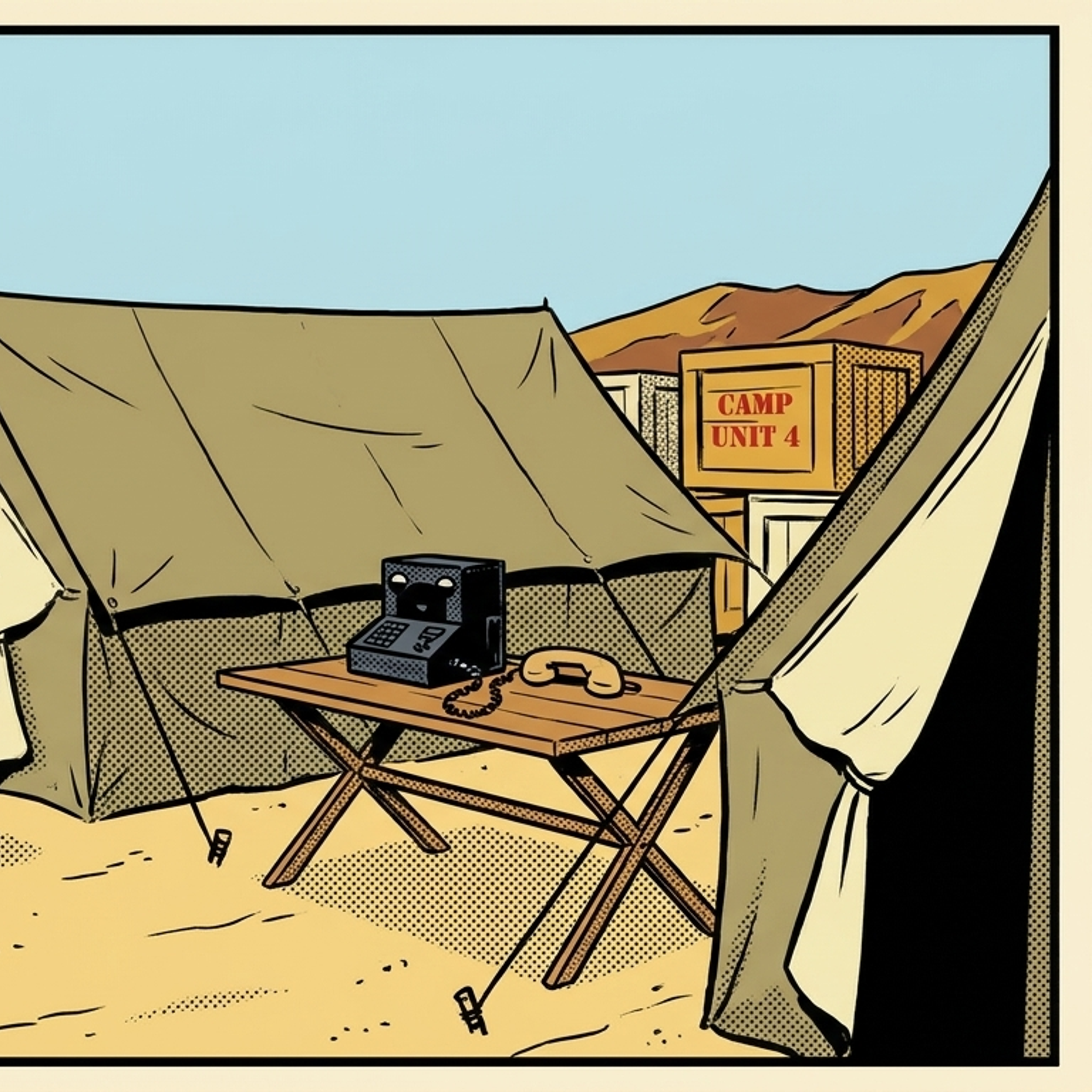
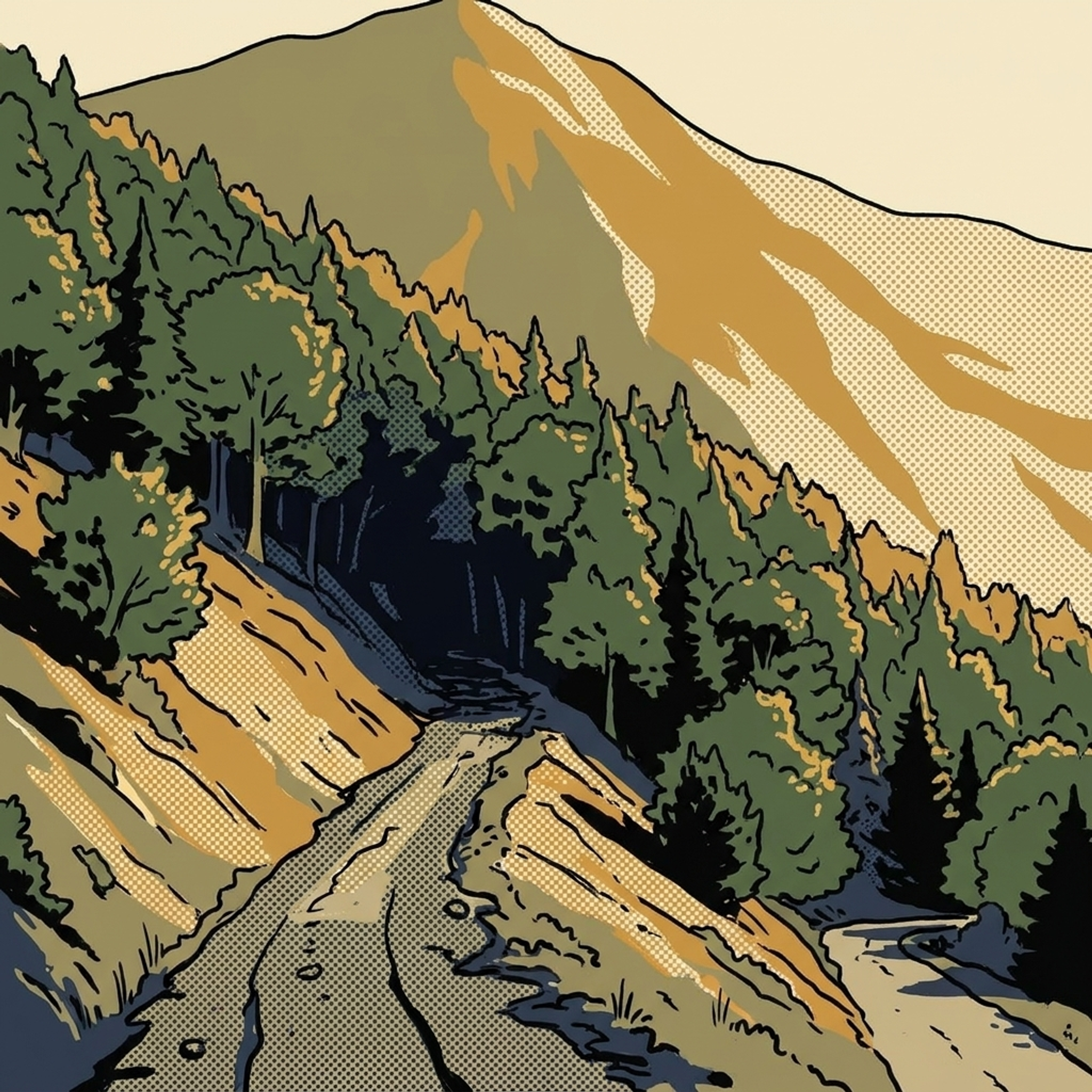
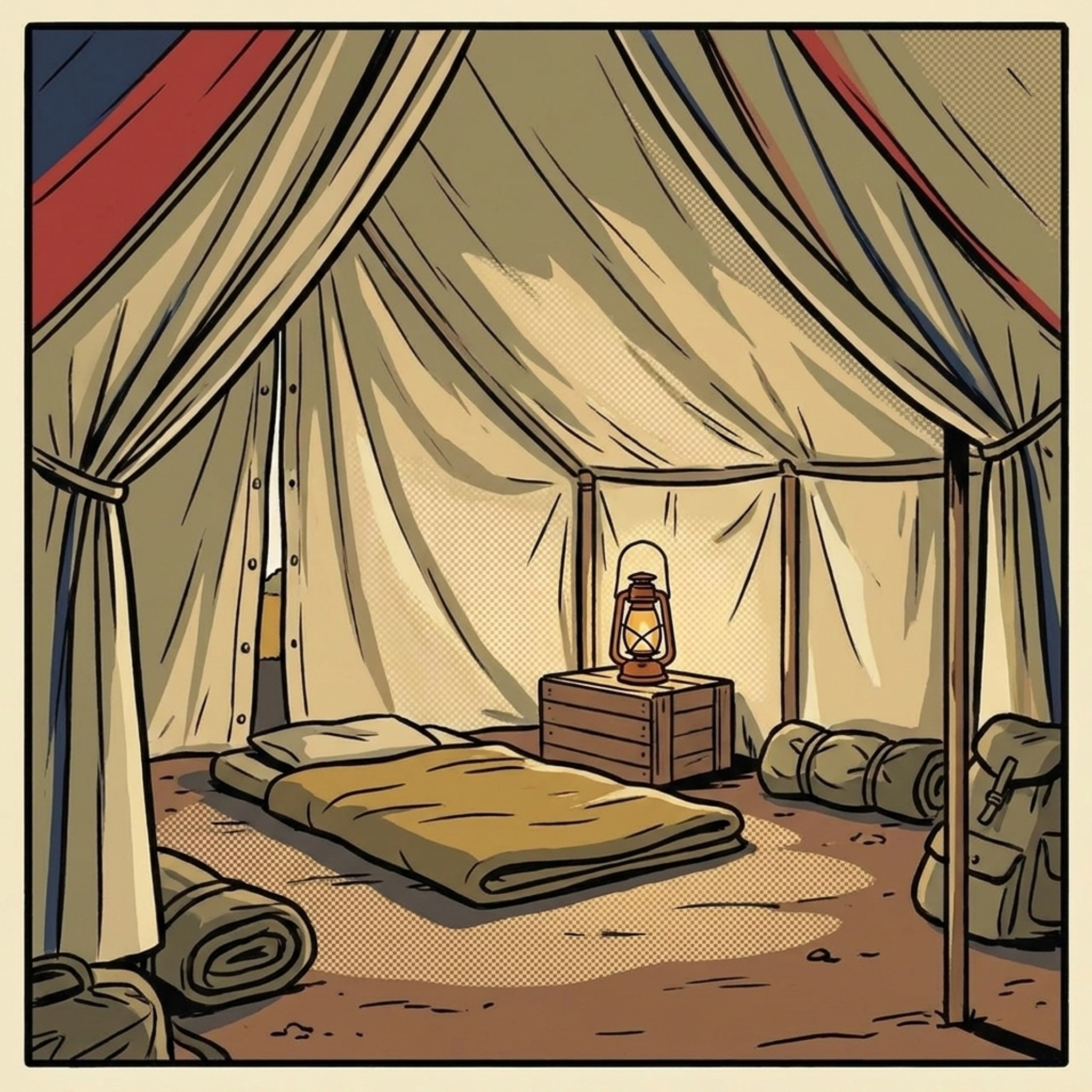
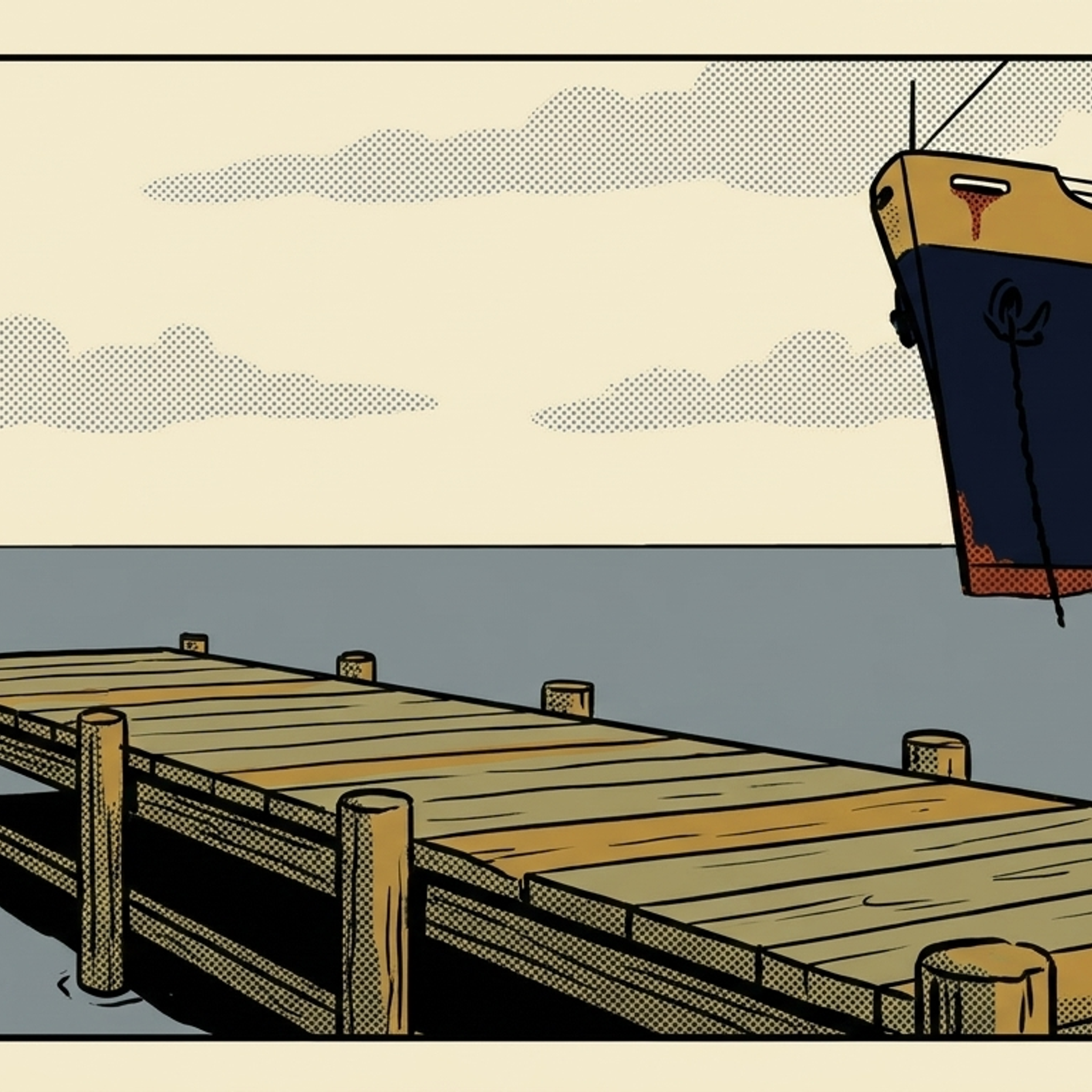
The places we'll draw
Have a real photo of one of these places — the actual house, a landmark? Click a place to add the photo and lock the AI to it.
What each page will show
01
Page 1 — the words
The guns had stopped. The ships in the harbor sat still. Wayne Wilberg, a young Marine far from home, drove his truck through a quiet that felt strange after so many loud and terrible days.
The picture
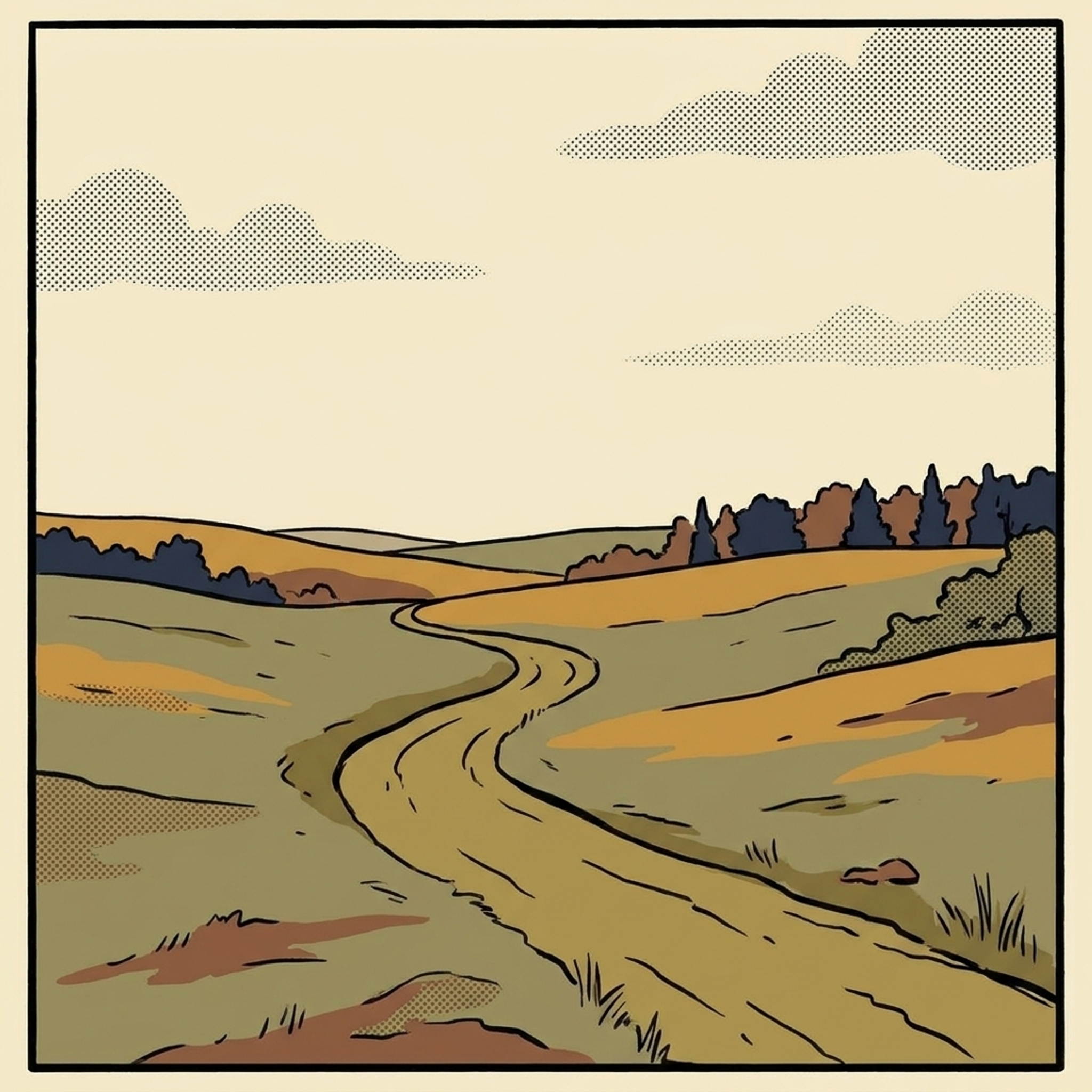
Wide horizontal illustration showing Wayne in the cab of a heavy military truck, seen through the windshield from outside. The road winds between low scorched hills turning back to green. The sky is pale and vast. The truck is the only moving thing in a landscape gone still — no smoke, no sound suggested, just open emptiness and Wayne's steady hands on the wheel, the dog tag glinting at his collar
"I participated in the battle of Iwo Jima and Okinawa and the occupation of Japan."
02
Page 2 — the words
Then — at the edge of the trees — something moved. A child. Then another. Then so many more that Wayne stopped the truck and could only stare. They came out of the mountains like swarms of ants.
The picture
Wayne stands beside his stopped truck, hand raised to shade his eyes, looking uphill toward a tree line. From the dark gap between the trees, small figures emerge — first two, then five, then a long ragged stream of children of different sizes, blinking in the open light, moving slowly downhill. The children are silhouetted against the bright sky, their shapes thin and hesitant. The mood is overwhelming and haunting — scale is important: the stream of children stretches all the way back into the shadows of the hills
"they came out of the mountains like swarms of ants"
03
Page 3 — the words
Wayne learned what had happened. The children's parents had been killed in the fighting. The children had been sent up into the hills to hide from the war. They had been there so long, with nothing to eat, that many of them did not make it back down.
The picture
A quieter, closer spread. Wayne crouches at eye level with two small children near the road — a girl of about seven with matted hair and hollow cheeks, a smaller boy clinging to her sleeve. Wayne's face is grave and open. Behind them, more children pick their way slowly down the hillside path through the trees, the mountain looming large and green above. The light is late-afternoon gold, gentle and sorrowful
"Their parents were shot and killed. The kids were sent to the hills to get away from the fighting. They eventually were starved out. Many of them ended up dieing."
04
Page 4 — the words
The army, the Red Cross, and soldiers like Wayne began setting up camps. They brought food and blankets. They called out to the children: "Come down. Come down. You are safe now."
The picture
A busy, hopeful scene at the edge of the base camp. Soldiers and Red Cross workers in white-banded helmets move purposefully — one hands a blanket to a small child, another carries a wooden crate of supplies, another points children toward a row of low canvas tents. Wayne is visible in the middle distance, lifting a crate from his truck bed. Children stand in a cluster, wide-eyed, some beginning to sit down and eat from tin bowls. The scene feels like organized kindness breaking through chaos
05
Page 5 — the words
One afternoon Wayne's group was out when they found a boy of twelve — alone, standing very still, watching them from the shadow of a tree. He did not run. He was too hungry to run.
The picture
A tense, still moment in a clearing at the base of the hills. Three Marines in dusty dungarees have stopped walking. Ahead of them, half-hidden by the trunk of a wide tree, the Boy stands — his big dark eyes fixed on Wayne, his bare feet planted, his oversized gray shirt hanging off one shoulder. He is thin as a shadow but holds himself very still, watching. Wayne is in the center foreground, not reaching out yet, just looking back at him, quiet and careful. The light through the trees is dappled and green
"One time my group picked up a 12-year boy and took him back to the base with us."
06
Page 6 — the words
Wayne reached into his pocket and held out a candy bar. The boy took it. Then — in about two bites — it was gone. "We gave him a candy bar and he gobbled it up," Wayne would say later, and he never forgot the look on that boy's face.
The picture
Close-up, warm illustration. Wayne kneels in the dirt so he and the Boy are the same height. Wayne's hand is open, the candy bar resting on his palm. The Boy's hands are already reaching. The Boy's eyes are enormous — not afraid anymore, just intensely focused on the food. In the next visual beat (same spread, suggested by the Boy's cheeks puffed full and the empty wrapper on the ground), it is clear the candy bar lasted only seconds. Wayne watches with a small, careful smile
"We gave him a candy bar and he gobbled it up."
07
Page 7 — the words
The soldiers made the boy a bed and snuck him inside after dark. They knew they were breaking the rules. "If they found out we had him," Wayne said quietly, "we would have been court-martialed." But nobody said go back.
The picture
Nighttime interior of a military tent, lit by a single small lantern casting warm amber light. Two soldiers carefully arrange a folded blanket on the ground to make a low bed. The Boy sits on it, watching them, his bare feet tucked beneath him. The tent flap is pinned shut. Wayne stands near it, one hand on the canvas, listening for footsteps outside. His expression is calm but alert — protective. The shadows are deep, the mood is hushed and serious
"We made him a bed and snuck him in. If they found out we had him we would have been court marshaled."
08
Page 8 — the words
For several days, Wayne's group took care of the boy. They could not speak his language. He could not speak theirs. But they began to understand each other — in the way you understand someone when you share a meal and a roof and keep each other warm.
The picture
A gentle, domestic spread inside the tent during daylight. The Boy sits cross-legged on his blanket-bed, eating from a tin plate. A soldier across from him tries to show him something with hand signals — pointing at himself, then at the boy, making a questioning face. The Boy watches, then copies the gesture back, perfectly, with the faintest trace of humor in his still eyes. Wayne sits to one side, watching them both, his expression open and warm. The scene feels almost ordinary — like camping, like something close to family
"We took care of him for a few days."
09
Page 9 — the words
Then the soldiers found him a job. They set him by the telephone and told him — with waving hands and pointing fingers — that when it rang, he should run outside and shout until someone came. He could not speak any English. But he could listen. And he could run.
The picture
Bright daytime illustration outside the motor pool. Wayne stands beside a folding table where an old black field telephone sits. He mimes the telephone ringing — holding his hand to his ear, shaking it — then sweeps his arm wide toward the open camp, miming running. The Boy watches with absolute seriousness, studying every gesture. One other soldier nearby watches too, biting back a grin. The Boy's big dark eyes flick from the telephone to Wayne's face, taking it all in
"We had him set by the phone and listen for it to ring. If it would ring he was to quickly run outside and yell to us that the phone was ringing. He couldn't speak any English."
10
Page 10 — the words
BRING! went the telephone. And out flew the boy — bare feet slapping the ground — yelling at the top of his lungs. "Telle! Telle! Telle!" he shouted, until someone came running to answer it.
The picture
Joyful, kinetic illustration — the Boy sprinting full speed through the camp, arms pumping, mouth wide open mid-shout, bare feet sending up little puffs of dust. His oversized shirt streams out behind him. Around him, Marines look up from their work — one drops a wrench, one spills his coffee — all turning toward the shout with startled then laughing faces. In the background, a soldier jogs toward the tent where the telephone sits. The Boy is the brightest, most alive thing in the whole scene
"He would run out and yell, "telle, telle, telle" until someone would go answer it."
11
Page 11 — the words
Later, the soldiers were able to make arrangements for the boy. He would be cared for. He would be safe. He was no longer lost up in the mountains. He was found.
The picture
The Boy stands at the entrance of a relief camp — a cluster of tents with a Red Cross flag flying above them and other children visible inside. A kind-faced relief worker crouches to meet him at eye level. Wayne stands a few feet back, watching. The Boy looks over his shoulder at Wayne — not afraid, not sad, just steady. Wayne gives a small nod. The afternoon light is long and golden, falling across both of them
"Later we were able to make arrangements for him."
12
Page 12 — the words
The day Wayne's unit shipped home from the war, the boy was standing on the docks, waving goodbye. Not hiding in the mountains. Not hungry. Not silent. Just waving — and waving — until the ship was gone.
The picture
The final, luminous spread. The dock stretches wide and gray under a pale blue sky. The Boy stands at the very edge of the pier — small against the vast ocean — both arms raised high above his head, waving hard. His black hair lifts in the sea wind. His feet are planted, his face turned up toward the departing ship. From the ship's railing, Wayne looks back, one hand raised. Between them is open water and open sky — and the boy is not lost anymore. He is standing in the light
"The day we shipped home from the war, he was standing on the docks waving goodbye to us."
See something off? Change what a picture will show, or add a note — fixing it here is free, before any image is made. To change the words, use the Story step. You can still redraw or edit any page afterward; nothing here is final.